The Blueprint Revolution: Why Digital Plans are the Future of Kenyan Construction
Noel Syambi
Published January 2026
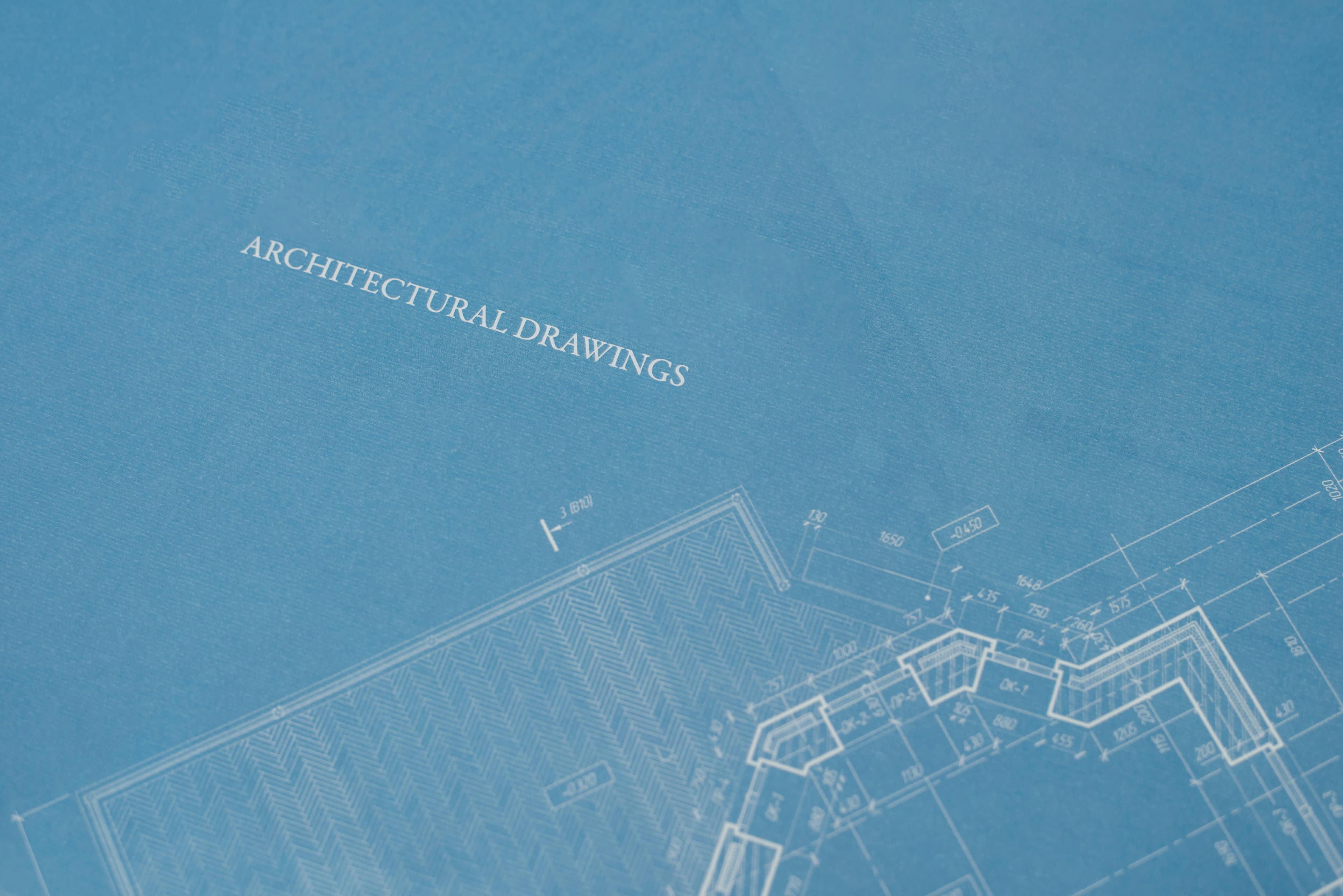
In Kenya, building has always been more than just construction. It is a rite of passage, a declaration of independence, and a promise to future generations. For decades, however, this journey was slowed by inefficiencies: hand-drawn sketches that smudged in the rain, endless back-and-forth with consultants, and the constant fear of losing paperwork on a dusty site.
Today, a revolution is underway. At Asham ACDL, we call it the Blueprint Revolution — a shift from paper to pixels, from uncertainty to precision, from delays to transparency. And it’s transforming how Kenyans build their homes, rental units, and commercial hubs.
From Vision to Vector
Every home begins with a vision. For some, it’s the dream of a family compound in Kisii. For others, it’s a rental block in Eldoret or a commercial hub in Nairobi. Traditionally, this vision was translated into physical blueprints rolled-up papers carried from office to site, vulnerable to weather, misplacement, and human error.
Digital plans change everything. Imagine logging into a catalog and browsing verified, architecturally sound house plans with the click of a button. No waiting for couriers. No chasing consultants. Just instant access to designs that fit your budget and aspirations.
With digital blueprints, you gain:
Instant Access: Your plan is available immediately, ready to share with your team.
Scalability: Files can be sent to structural engineers, contractors, and suppliers in seconds.
Precision: High-fidelity CAD exports reduce costly errors on the ground.
Take the story of Peter, a contractor in Nakuru. He once lost a critical paper plan during a rainy season, delaying his project by weeks. Today, with Asham ACDL’s digital catalog, Peter simply downloads the plan onto his tablet. Even if the skies open, his vision remains intact.
The Synergy of Materials and Design
A plan is only as strong as the materials used to execute it. That’s why Asham ACDL integrates its Material Inventory directly alongside the Digital Journal.
Think of it as a conversation between design and supply. When your blueprint specifies high-tensile steel, the inventory calculates exactly how much you’ll need. When your plan calls for cement and binders, the system estimates precise quantities.
This synergy saves money and reduces waste. In fact, using digital plans allows builders to cut material waste by up to 15% — a significant saving in today’s market.
Consider Mary, a teacher in Kakamega who decided to build her first home. With traditional methods, she would have over-ordered cement “just in case.” But with her digital plan, the system calculated exact stock levels. She saved money, avoided waste, and built a home that reflected both her dreams and her discipline.
Sustainability through Technology
Kenya’s construction boom must also be a green boom. Every printed paper, every wasted bag of cement, every unused steel rod has an environmental cost.
Digital blueprints reduce the need for paper, keeping forests intact. They also optimize material orders, ensuring that what arrives on site is what’s needed — no more, no less. This protects both your pocket and the planet.
And because digital plans can be uploaded, shared, and updated in real time, the entire construction team stays aligned. Architects, engineers, and contractors literally stay “on the same page.”
This is more than convenience. It’s sustainability through technology. It’s building homes without compromising the environment that sustains them.
The Human Side of the Revolution
Technology alone doesn’t build houses. People do. And the Blueprint Revolution is as much about empowering Kenyans as it is about digitizing plans.
We’ve seen young couples in Nairobi use digital catalogs to compare designs late at night, dreaming together about their future. We’ve seen farmers in Kitale use mobile phones to access plans, proving that construction innovation isn’t limited to urban centers.
Every builder — whether erecting a rental unit, a family home, or a commercial hub — becomes part of a larger story: a Kenya that builds smarter, faster, and greener.
The 2026 Outlook
As we move deeper into 2026, Asham ACDL is committed to being the Operational Pulse of your construction journey. From the first click on a digital blueprint to the final bag of cement delivered to your site, technology is making building:
Faster: No delays waiting for couriers or consultants.
Cheaper: Reduced waste and precise material estimation save money.
Transparent: Real-time dashboards keep you informed at every stage.
The Blueprint Revolution isn’t just about efficiency. It’s about dignity. It’s about ensuring that when a Kenyan decides to build, their dream isn’t stalled by outdated processes. It’s about making construction a celebration, not a struggle.
Why This Matters
The Blueprint Revolution matters because building is emotional. It’s about legacy, resilience, and pride. When you choose a digital plan, you’re not just choosing convenience. You’re choosing:
Legacy: A home that stands for generations.
Resilience: A process that withstands delays, errors, and waste.
Breakthrough: A leap from traditional inefficiency to modern precision.
Trust: A system that mirrors the reliability of Kenya’s most trusted brands.
Conclusion: Are You Ready?
Kenya is changing. Construction is changing. And the Blueprint Revolution is here to stay.
At Asham ACDL, we don’t just provide plans. We provide peace of mind. We don’t just deliver materials. We deliver futures. We don’t just digitize construction. We humanize it.
So, whether you’re building in Nairobi, Kisumu, Kakamega, or beyond, ask yourself: Are you ready to join the revolution?
👉 [Explore our latest Digital Plans]
👉 [Browse Materials Catalog]